
Moisture Protection for Export Shipments
A dosing method for cargo that crosses climate zones — what to use, how much, and where to put it.
5-step method
See the method
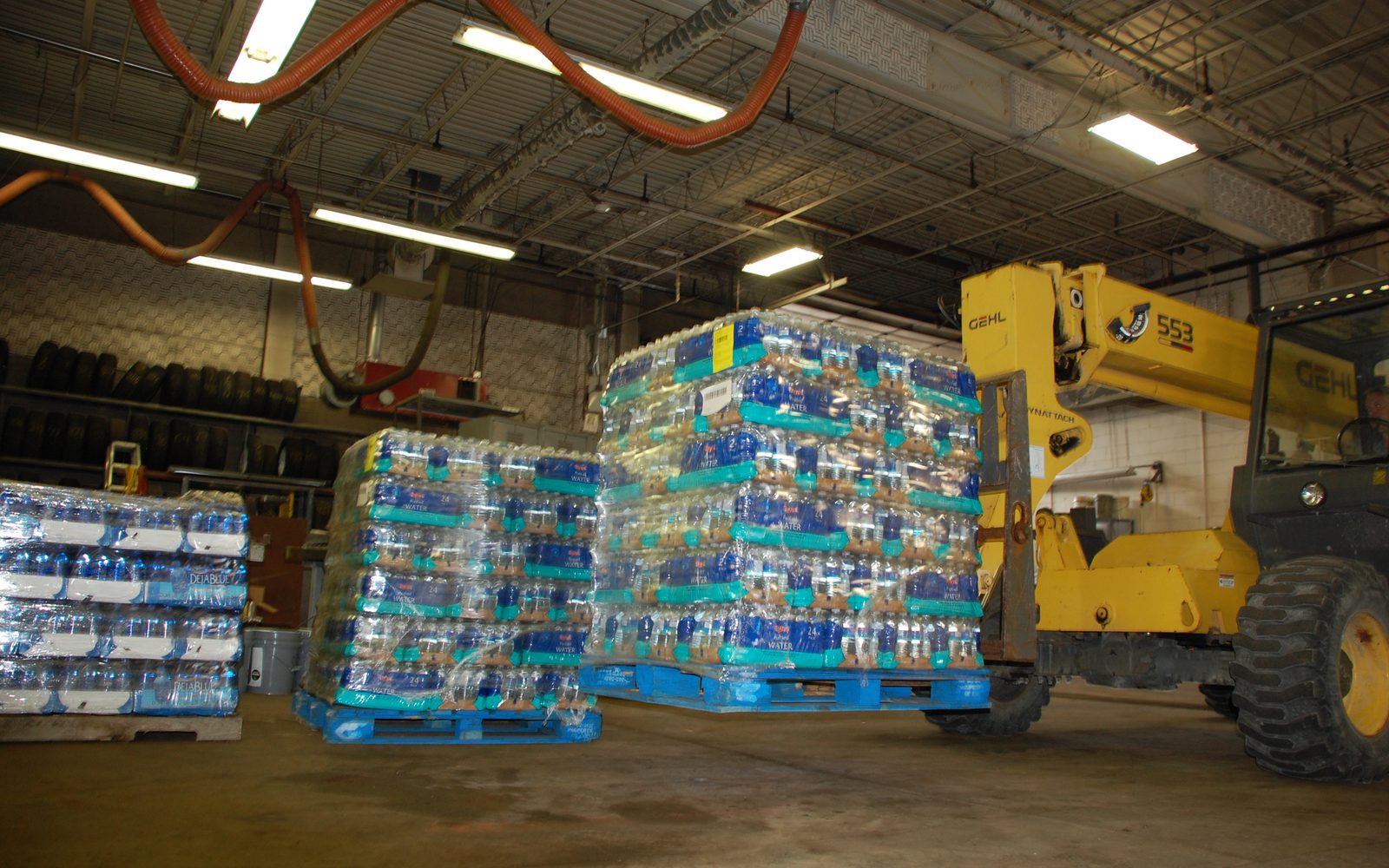
Products are the easy part. These pages set out the method for thirteen common moisture problems — the sequence, the dose, and the products that actually suit each job.
A dosing method for cargo that crosses climate zones — what to use, how much, and where to put it.
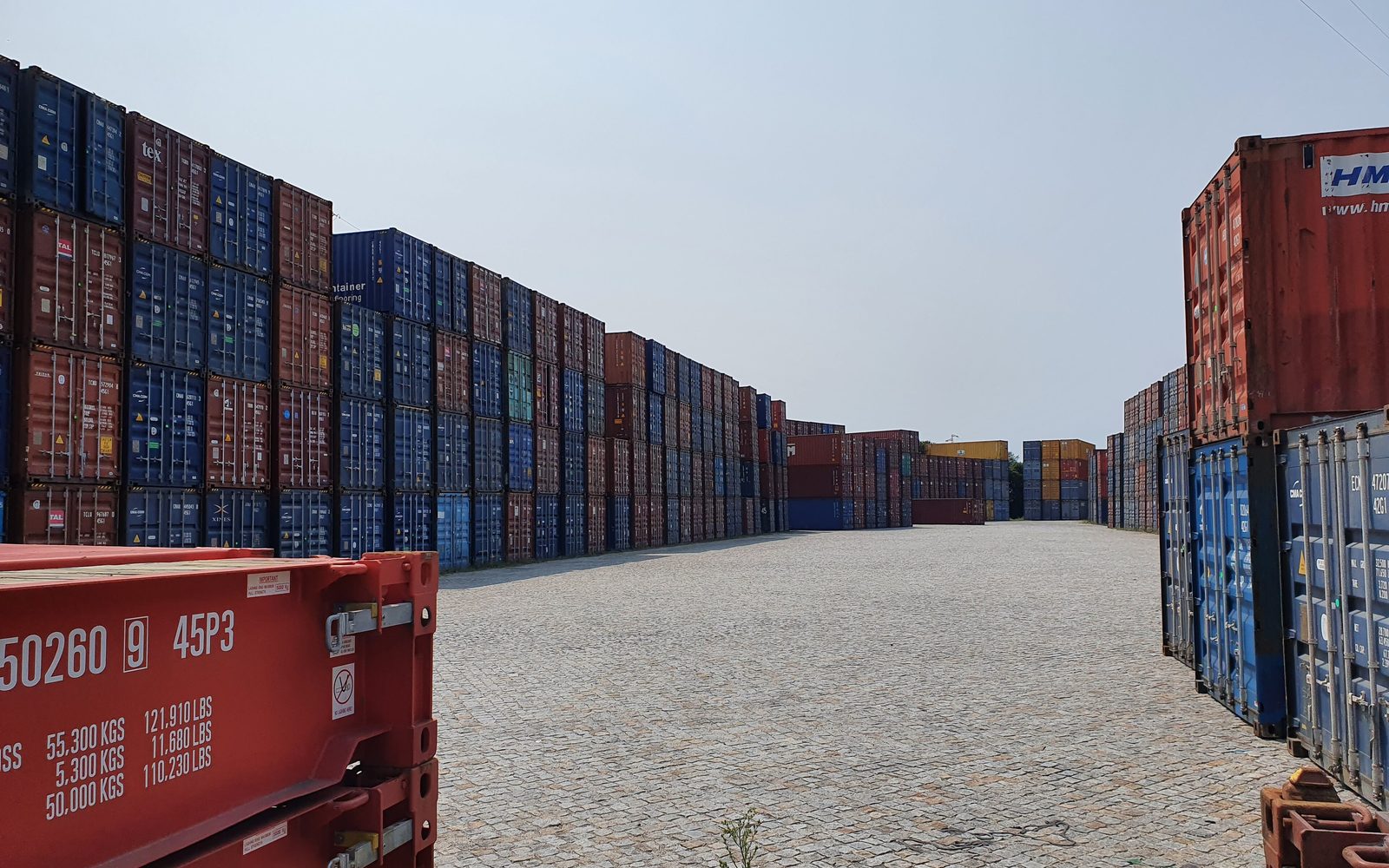
Stopping container rain with calcium chloride systems sized to the box and the voyage.
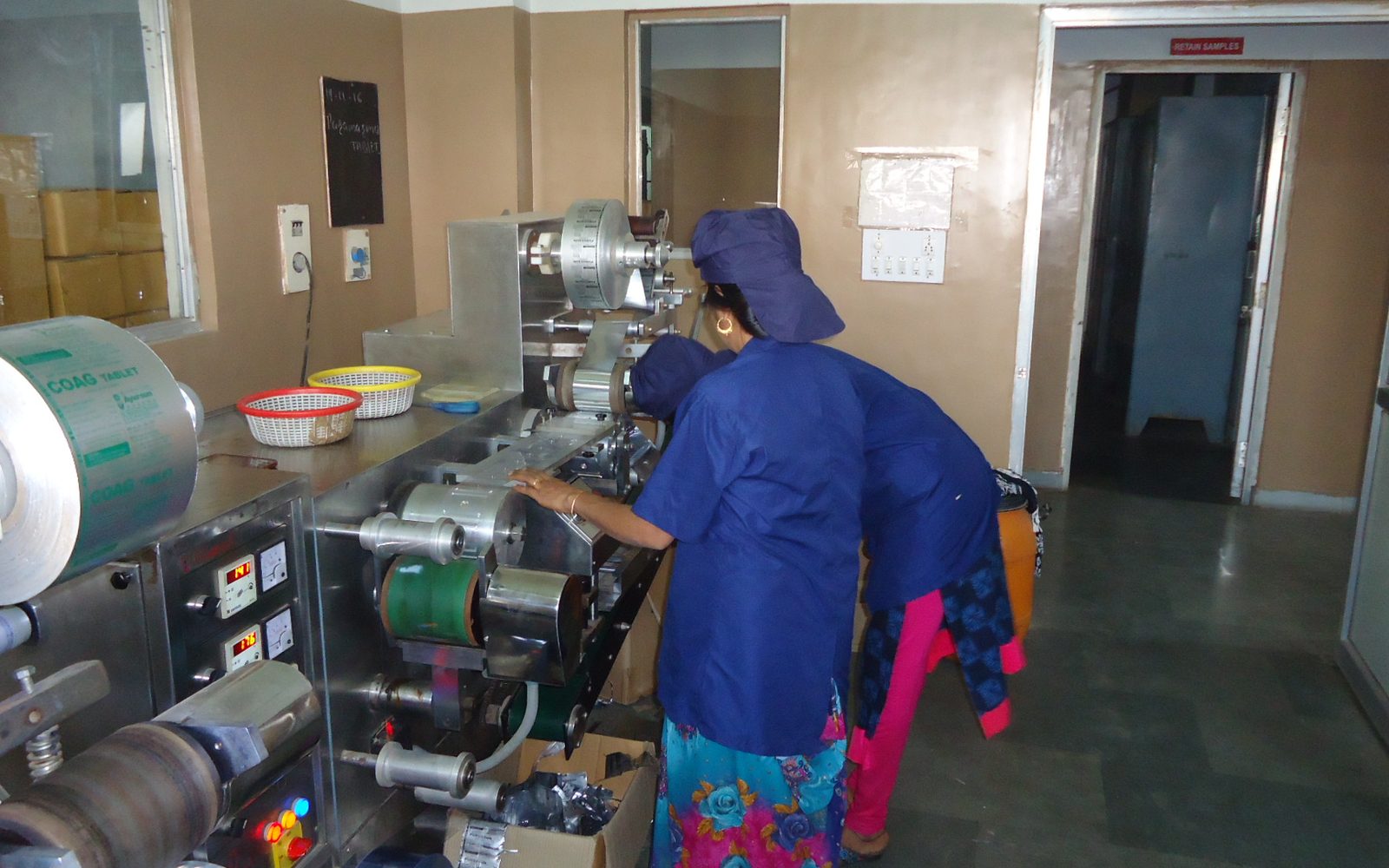
Desiccant formats that survive validated lines and satisfy documentation requirements.

Dry packing that meets moisture sensitivity level procedure, with the evidence to prove it.

Breathers and adsorbent beds for plant that breathes humid air on every thermal cycle.

Keeping bare machined surfaces above the corrosion threshold in crates and long-term store.

Food-contact desiccants and oxygen scavengers for dry commodities and agri export.

Mould, staining and odour prevention for organic goods in sealed containers.
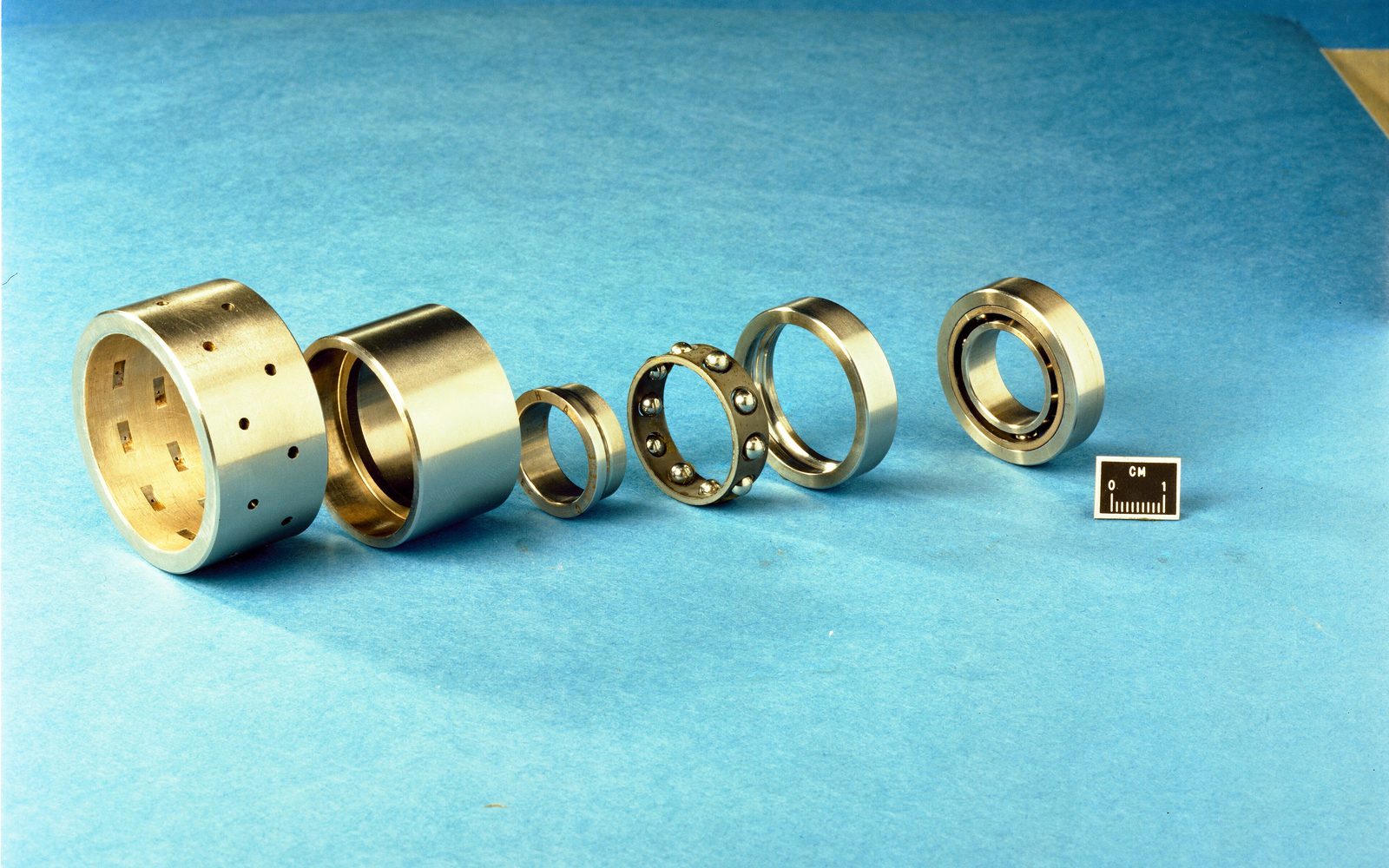
Two-level protection for machined parts, assemblies and CKD kits moving between plants.

Protection for switchgear, motors, cabinets and installed electrical assemblies.
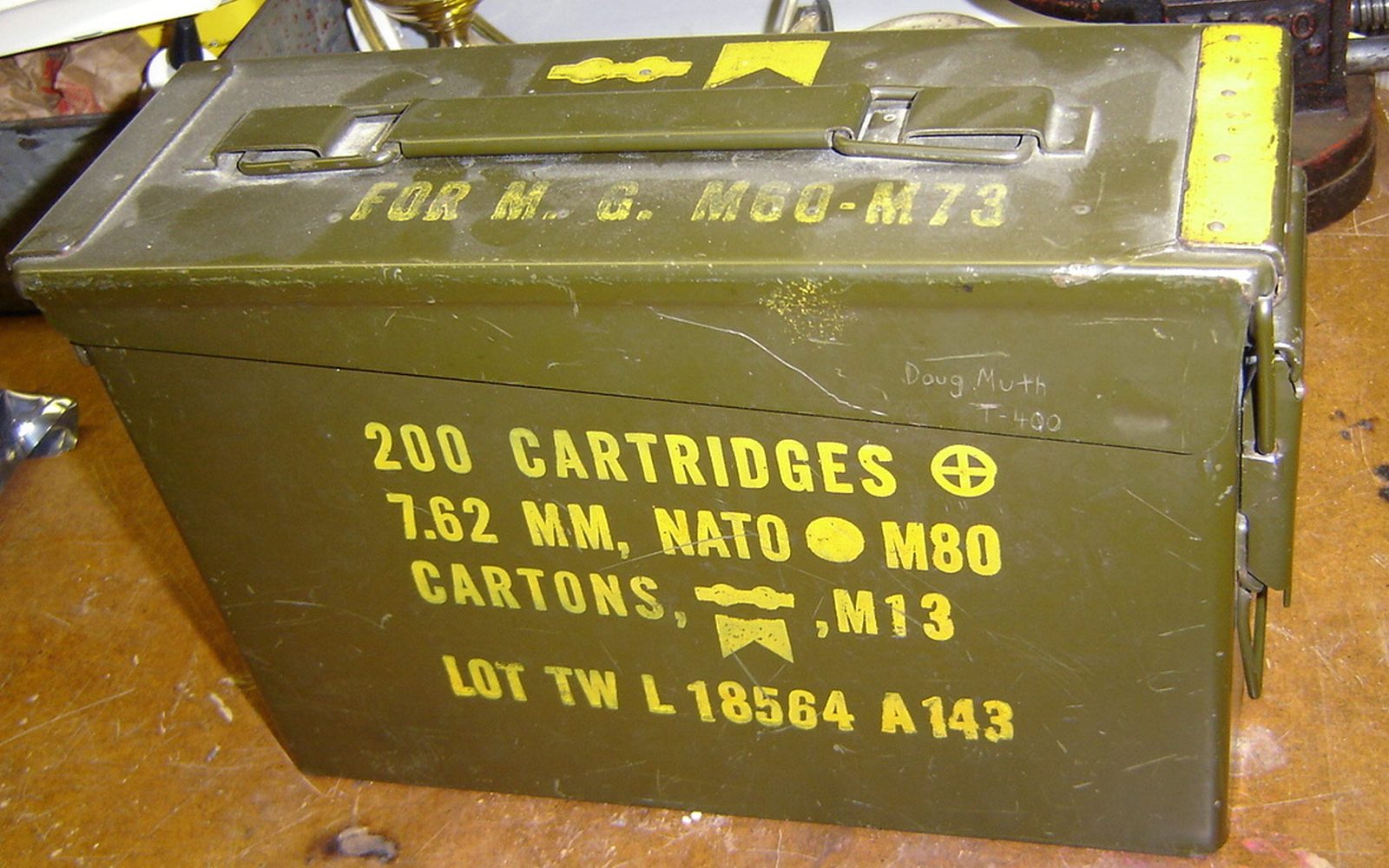
Multi-year preservation packaging that survives storage without servicing.

Dew-point-specified protection for avionics, optics, composites and long-held spares.

Controlling humidity at building scale so every carton does not have to be over-dosed.
The common thread
A carton is a silica gel problem. A container is a calcium chloride problem. Getting this wrong is the most expensive error in the field.
Silica gel works between 30% and 90% RH. Below that, molecular sieve. A dew-point specification is usually the signal.
Clay outperforms silica gel when it is cold, and costs less. Cold chain and winter storage often favour it.
Indicating gel buys information, not performance. Worth it on a breather; wasted inside a sealed carton.
Talk to our experts
Send us the product, the enclosure, the route and the storage period. You will get a desiccant type, a dose and a format back — not just a price list.